
Why Soffit Ventilation Matters in Ottawa Winters
If your home struggles with ice dams, condensation, or rising heating bills, the problem may not be your roof—it’s your attic airflow.
Ottawa winters bring extreme cold, heavy snowfall, and rapid freeze-thaw cycles. Without proper ventilation, warm air becomes trapped in your attic, creating ideal conditions for moisture buildup, roof damage, and energy loss.
If you're already seeing warning signs, it’s worth getting a
👉 professional gutter and attic ventilation inspection
to identify the root cause before winter damage worsens
Ottawa winters bring extreme cold, heavy snowfall, and rapid freeze-thaw cycles. Without proper ventilation, warm air becomes trapped in your attic, creating ideal conditions for moisture buildup, roof damage, and energy loss.
If you're already seeing warning signs, it’s worth getting a
👉 professional gutter and attic ventilation inspection
to identify the root cause before winter damage worsens
What Is Soffit Ventilation?
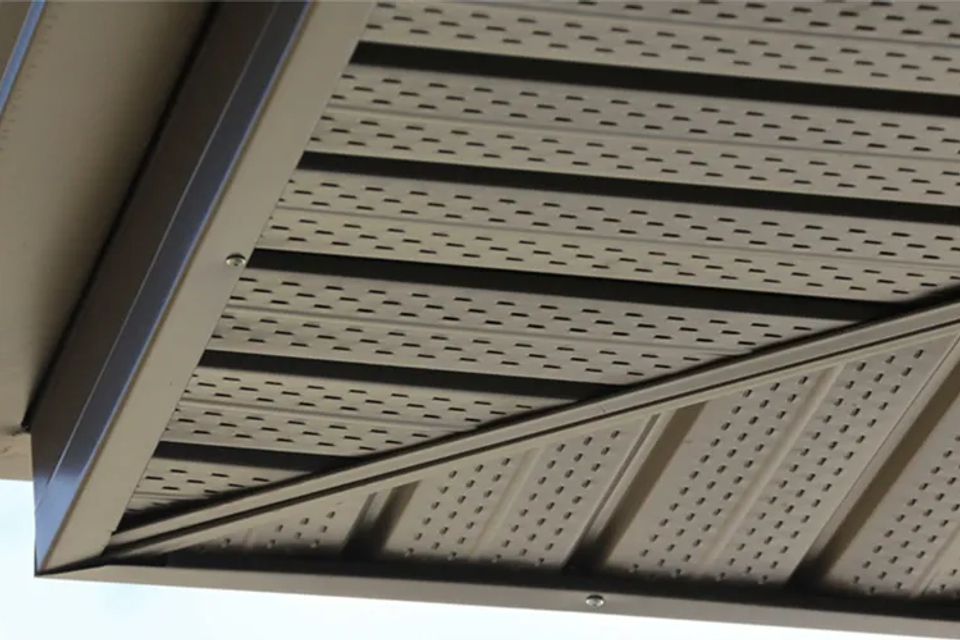
Soffits are warm, moist air exits through the roof vents. The horizontal panels beneath your roof’s eaves. Built into them are soffit vents, which allow fresh air to enter your attic
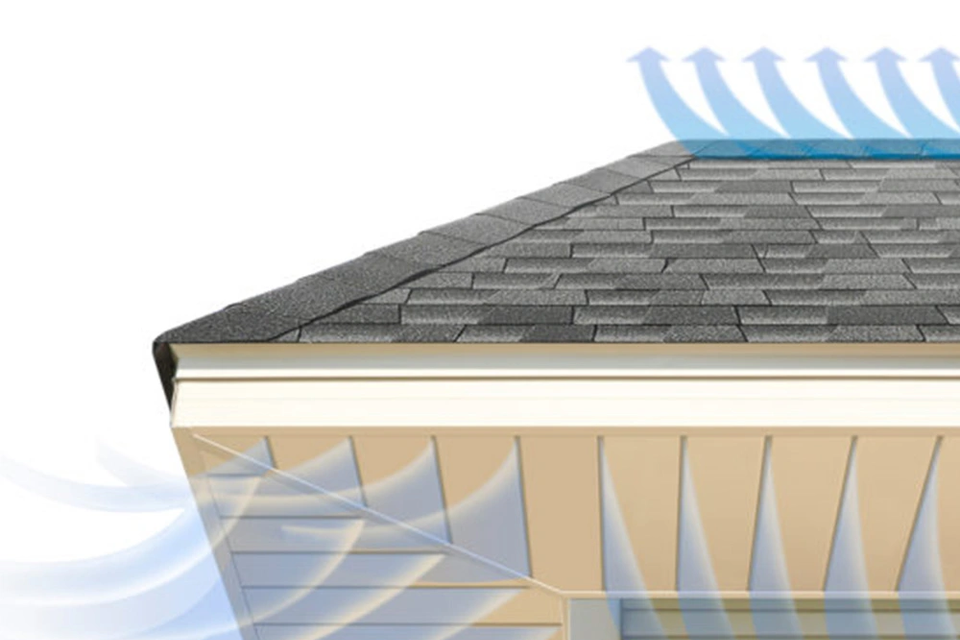
These vents work with exhaust systems (ridge vents, roof vents, or gable vents) to create continuous airflow:
- Cool air enters through soffits
- Air circulates through the attic
- Warm, moist air exits through the roof
This system keeps your attic cool, dry, and balanced year-round.
Why Proper Airflow Is Critical in Cold Climates
In Ottawa’s climate, proper ventilation is essential—not optional.
Escaping indoor heat can warm your attic and melt snow unevenly.
Moisture from daily activities rises into the attic and condenses without airflow.
Balanced airflow prevents freeze-thaw cycles that damage roofing systems.
A dry attic helps prevent rot, mold, and premature roof deterioration.
Prevents Heat Buildup
Escaping indoor heat can warm your attic and melt snow unevenly.
Reduces Moisture & Condensation
Moisture from daily activities rises into the attic and condenses without airflow.
Maintains Stable Roof Temperature
Balanced airflow prevents freeze-thaw cycles that damage roofing systems.
Extends Roof Lifespan
A dry attic helps prevent rot, mold, and premature roof deterioration.
What Happens When Ventilation Fails
Poor soffit ventilation can lead to serious problems.
Warm attic air melts snow, which refreezes at the eaves and blocks drainage. Water then backs up under shingles.
Learn more from the U.S. Department of Energy
Trapped moisture creates ideal conditions for mold growth and wood rot.
👉 See guidance from the Natural Resources Canada
Heat loss through your attic forces your HVAC system to work harder.
Ice Dams
Warm attic air melts snow, which refreezes at the eaves and blocks drainage. Water then backs up under shingles.
Learn more from the U.S. Department of Energy
Mold & Mildew
Trapped moisture creates ideal conditions for mold growth and wood rot.
👉 See guidance from the Natural Resources Canada
Higher Energy Bills
Heat loss through your attic forces your HVAC system to work harder.
How Ventilation Connects to Your Gutter System
Your roof, attic, and drainage system all work together.
When ventilation fails, you may notice:
- Ice buildup along the eaves
- Overflowing or sagging gutters
- Water pooling near your foundation
That’s why homeowners often pair ventilation improvements with
👉 professional seamless eavestrough installation
to improve drainage and prevent water damage.
Prevention & Maintenance Tips
1. Inspect Soffit Vents Regularly
Ensure vents are not blocked by insulation, debris, or pests.
2. Maintain Proper Air Channels
Install baffles to keep airflow paths open between insulation and the roof deck.
3. Balance Intake & Exhaust Ventilation
Aim for:👉 1 sq. ft. of ventilation per 100 sq. ft. of attic space
4. Upgrade Your Drainage System
Proper drainage reduces ice buildup and complements attic ventilation.
Consider
👉 gutter guard installation services
to ensure meltwater flows efficiently during winter thaw cycles.
Not Sure If Your Ventilation Is Working?
If you notice:
- Recurring ice dams
- Frost or moisture in your attic
- Peeling paint or sagging gutters
…it’s time to take action.
You can
👉 schedule a soffit, fascia, and eavestrough assessment
to identify airflow problems before they turn into costly repairs.
Conclusion
Soffit ventilation is one of the most important—but often overlooked—parts of your home’s defense against Ottawa winters.
Proper airflow helps:
- Prevent ice dams
- Reduce moisture damage
- Improve energy efficiency
- Extend your roof’s lifespan
By combining ventilation improvements with proper gutter systems, you can protect your home long-term.