Skip to content

Navigating Ottawa’s Winter: Your Blueprint for a Bulletproof Seamless Eavestrough Install

 
Protect your Ottawa home from ice dams, overflow, and foundation damage with a system built for freeze-thaw reality—not “good enough” gutters.

Ottawa winters don’t just test your patience—they test your home. Heavy snow loads, sudden thaws, and refreezing nights can turn a minor drainage weakness into a major (and expensive) water problem. If your eavestroughs overflow, sag, leak at seams, or dump water too close to your foundation, you’re not just dealing with a nuisance—you’re increasing the odds of basement moisture, damaged fascia, stained siding, and icy walkways.
This guide breaks down what “proper installation” actually means in Ottawa, why seamless eavestroughs are usually the better long-term option, and the checklist pros follow to keep water moving safely away from your home.

If you’re already noticing issues (overflow, staining, sagging, or ice buildup), start here: Expert Eavestrough Installations & Replacements in Ottawa. (bronsonjohnson.com)
 

I. Why Eavestroughs Matter More Than Most Ottawa Homeowners Think

 
Eavestroughs are your roof’s drainage system. Their job is simple in theory: catch rain and meltwater, route it into downspouts, and send it away from the foundation.

In practice—especially in Ottawa—this system protects:
  • Your foundation (preventing chronic saturation, cracking, and see page)
 
  • Your basement (reducing moisture intrusion risk)
 
  • Your fascia and roof edge (preventing rot and winter-related deterioration)
 
  • Your siding, windows, and landscaping (reducing splashback, staining, erosion)
 
  • Your walkways and driveway (less runoff = fewer ice patches)

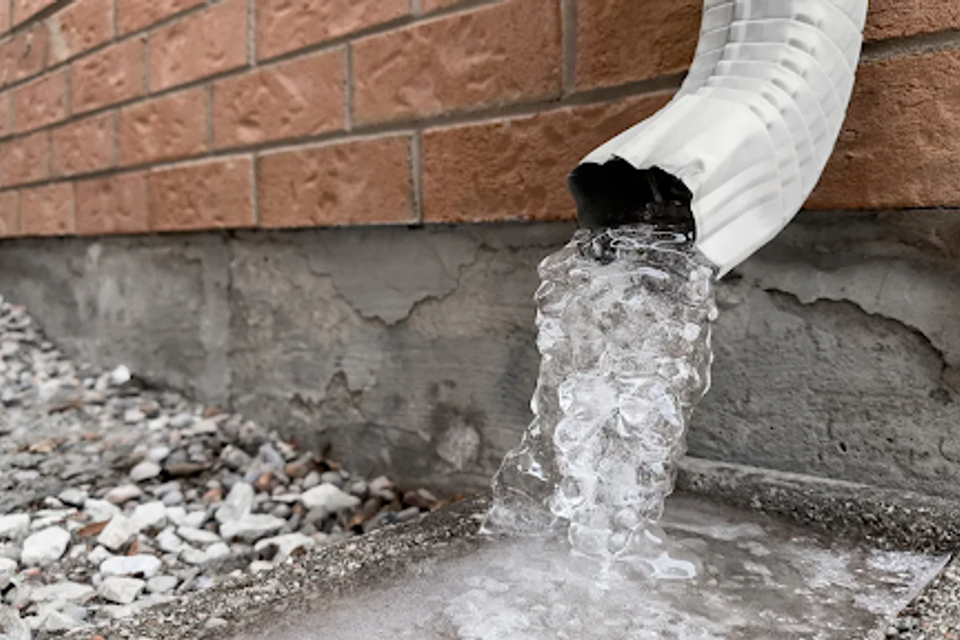
Ottawa’s weather is the multiplier. Freeze-thaw cycles expand tiny issues into real failures. Ice blocks flow.

Overflow refreezes into dangerous slabs. And repeated pooling near the foundation becomes a “slow leak” into your home’s long-term health.

Want to see how Ottawa’s weather data is tracked and searchable?

Environment and Climate Change Canada provides the official portal for historical climate data: ECCC Historical Climate Data Search. (Climate Data Canada)
Bj1401
II. A Quick Look Back: Why Seamless Eavestroughs Became the Standard
 
Traditional sectional gutters rely on multiple joints to connect lengths together. Those joints are the weak points: sealant ages, fasteners loosen, and temperature swings stress the connections.

Seamless eavestroughs changed the game because they’re formed to the exact length needed on-site, dramatically reducing the number of joints that can leak. In a climate like Ottawa—where expansion, contraction, and ice formation are routine—fewer joints typically means fewer failure points.

III. The Seamless Advantage: Why Ottawa Homes Choose Continuous Flow

1) Fewer seams = fewer leak opportunities
Most “mystery gutter leaks” start at joints. Seamless systems reduce joints, which helps keep water inside the trough where it belongs.
 
2) Cleaner look and custom fit
Seamless eavestroughs are made to match your roofline, which usually improves appearance and overall performance—especially on long runs.
 
3) Better performance depends on slope and support
Even the best gutter material fails if it’s installed without the correct pitch or hanger strategy.

If you want the practical breakdown of how slope should work (and why “almost level” creates standing water that freezes), see: Proper Gutter Slope for Ottawa Homes. (bronsonjohnson.com)

IV. The Ottawa Gauntlet: Common Eavestrough Nightmares (and How Pros Prevent Them)

Nightmare #1: Ice dams and roof-edge backups
 
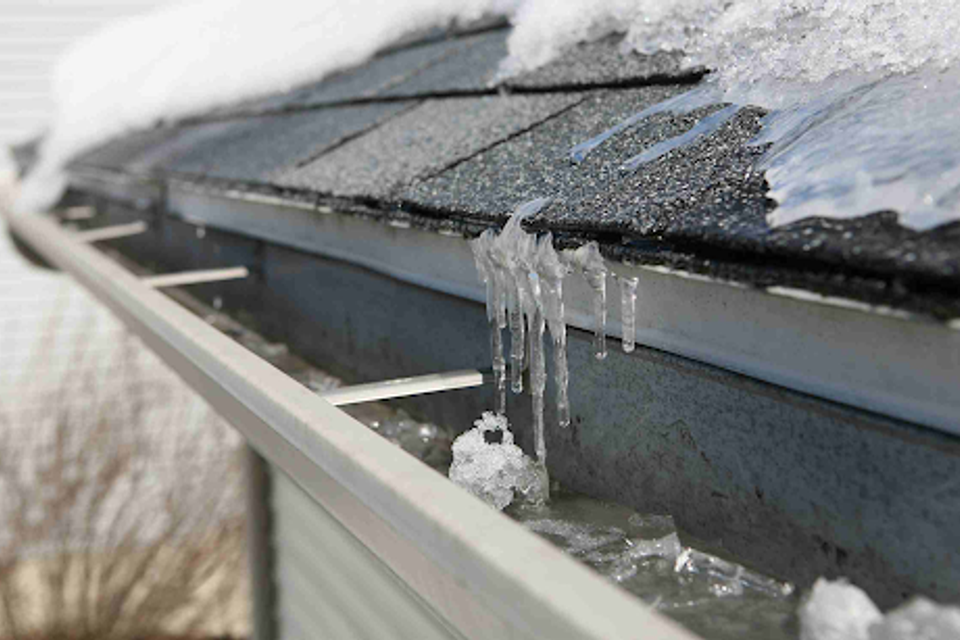
Ice dams form when snow melts on warmer roof areas, then refreezes near the colder roof edge. The ice ridge blocks drainage, and water can back up under shingles.

A highly respected technical explainer (still very readable) is Building Science Corporation’s digest: BSD-135: Ice Dams. (buildingscience.com)

Pro prevention usually includes:

 
  • Correct roof/attic ventilation strategy (where applicable)
     
  • Air sealing and insulation improvements (often overlooked)
     
  • Reliable gutter drainage (so meltwater exits fast instead of pooling)
     
Nightmare #2: Clogs that turn gutters into waterfalls
 
Leaves, pine needles, roof grit, and debris build up fast. Once clogged, water spills over the front edge and saturates the perimeter of your home.

If you want to reduce cleaning and keep flow consistent, gutter guards can help—especially for tree-heavy areas. Learn more here: Gutter Guards Ottawa: Leaf Protection

 
Nightmare #3: Sagging troughs under snow load
 
Ottawa snow load + meltwater weight will expose weak hanger spacing and poor fastening. Sagging causes standing water, which freezes, which adds weight, which increases sagging… and the cycle escalates.

A simple place to start is understanding hanger spacing and support philosophy: Gutter Hanger Spacing Guide. (bronsonjohnson.com)

 
Nightmare #4: Downspouts dumping water beside the foundation
 
Even perfectly installed eavestroughs can cause problems if downspouts discharge too close to the home. This is one of the most common “invisible” causes of basement moisture and foundation stress.

Insurance-focused prevention guidance: Insurance Bureau of Canada — Flood and Water Protection. (IBC)

Local Ottawa program guidance also talks about downspout redirection and property drainage actions: Rain Ready Ottawa Applicant Guide (PDF). (Ottawa Documents)
 
Bj1402

V. The Bronson Johnson Blueprint: What a “Proper Install” Looks Like in Ottawa

 
A proper seamless eavestrough install isn’t just “straight gutters.” It’s a full drainage plan—from roof edge to safe discharge away from the foundation.
 

Phase 1: Pre-install planning (the part that prevents regret)


Roof edge + fascia check
 
  • Identify rot, soft fascia, prior water damage, and fastening issues.

Sizing and capacity
 
  • Roof area, roof pitch, valleys, and long runs influence flow volume.
 
  • Downspout size and placement matter just as much as gutter size.

Downspout placement strategy
 
  • Place downspouts where they reduce risk (not just where they’re convenient).
 
  • Avoid dumping water onto high-traffic areas that become icy.
 

Phase 2: Installation done right (the performance phase)


The perfect pitch
 
  • A consistent slope toward downspouts prevents standing water (and ice).

Seamless fabrication
 
  • Custom-formed runs reduce joints and improve reliability.

Snow-ready support
 
  • Proper hanger type, correct spacing, and secure fastening into solid backing.

Sealed transitions
 
  • Corners, end caps, and outlets must be sealed properly—because freeze-thaw will punish shortcuts.

Downspout discharge
 
  • Water should be directed well away from the foundation and toward a sensible drainage area.

If you’re comparing options or you know your system is due, this is the most direct service page to reference: New Eavestrough Installations & Replacements (Ottawa). (bronsonjohnson.com)

VI. Post-Install: The Maintenance That Keeps Ottawa Winters From Winning

 
Even a great system needs basic upkeep—especially in fall and before deep freeze.
 

Seasonal checks that matter most

Spring (after thaw):
 
  • Check for sagging, shifted hangers, and corner leaks.
 
  • Run water to confirm clean flow and no pooling.

Fall (before freeze):
 
  • Clear debris and confirm downspouts discharge cleanly.
 
  • Make sure extensions haven’t been knocked loose.

After major storms:
 
  • Quick ground check for overflow marks, icicles where they shouldn’t be, or water staining.

If you suspect your current system is overflowing and you want to understand the usual causes (and modern fixes), this is a useful explainer: Why Eavestroughs Overflow in Ottawa (Solutions). (bronsonjohnson.com)
 

VII. Why Hiring the Pros Often Saves Money in Ottawa

 
DIY gutter work looks tempting—until it’s mid-November, the ladder is on uneven ground, and the “small” pitch error creates ice buildup for the rest of winter.

A professional install matters because:

 
  • Working at heights is inherently risky
 
  • Proper slope and fastening are not “eyeball” tasks
 
  • Ottawa winters expose weak installs fast
 
  • A good crew will plan the full drainage route—not just attach metal to fascia

If soffit and fascia are also part of the problem (rot, ventilation concerns, visible damage), it’s smart to treat the roof edge as a system: Soffit & Fascia Installation (Ottawa). (bronsonjohnson.com)
 

VIII. Final Flow: Keep Your Ottawa Home Dry, Safe, and Damage-Free

 
Ottawa weather will always be unpredictable. What you can control is whether water has a reliable path off your roof and away from your home—every time it rains, thaws, or refreezes.

A properly installed seamless eavestrough system is one of the most practical investments you can make in your home’s long-term protection.

If you’re seeing overflow, sagging, staining, ice buildup, or basement dampness, don’t wait for “one more storm” to force the issue.

Book an estimate or inspection here: Contact Bronson Johnson Seamless Eavestroughs. (bronsonjohnson.com)
 

Send Us a Message


Thanks for Choosing Bronson Johnson Seamless Eavestroughs Ottawa!

Your request for eavestrough services is in good hands.
An expert will review your details and contact you soon to discuss your request.