Skip to content

The Icy Truth: How Ice Dams Are Destroying Your Roof (and Wallet) & What to Do About It

Ottawa Homeowners Guide to Prevention + Safe Removal
 
Ah, the postcard-perfect snowfall—quiet streets, sparkling rooftops, cozy winter vibes. Until the thaw hits… and suddenly that “beautiful” roofline is crowned with thick ice, heavy icicles, and water that has nowhere to go.

That’s when ice dams turn from winter scenery into a serious home-protection problem. They don’t just create icicles—they can push water back under shingles, soak insulation, stain ceilings, trigger mold growth, and even stress your gutters/eavestroughs.

This guide breaks down:
  • What ice dams are (and why Ottawa homes are especially vulnerable)
  • How they damage roofs and gutters
  • What actually works (prevention + removal)
  • When it’s time to call in professional steam removal using equipment like the Arctic Steamer
1) What Exactly Is an Ice Dam? (And Why They Form on “Good” Roofs)

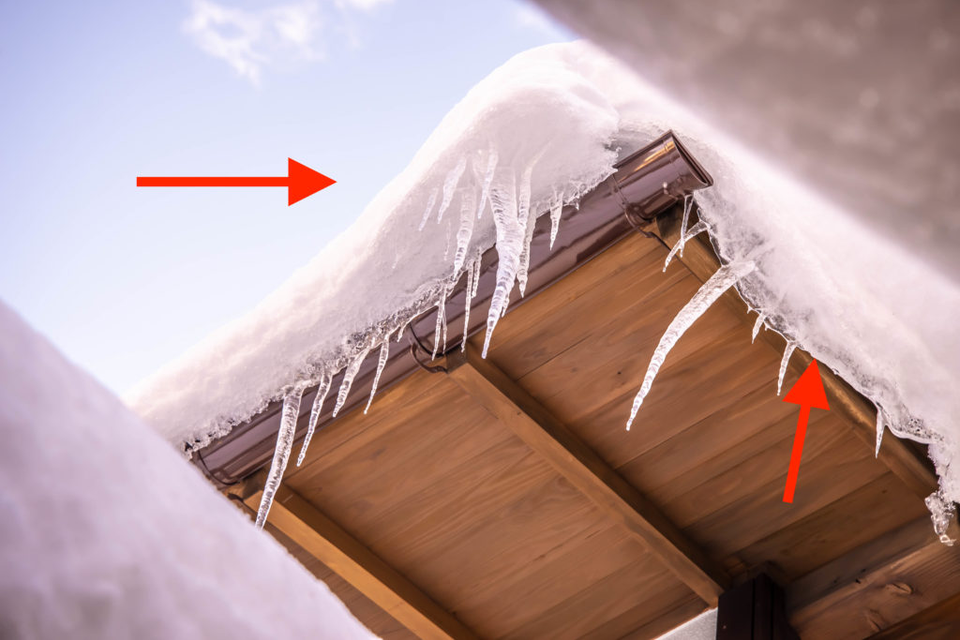
At its simplest, an ice dam is a ridge of ice that forms along the edge of your roof, blocking melting snow from draining properly.

Here’s the cycle:
1. Heat escapes from your home into the attic (through insulation gaps and air leaks).
2. That heat warms the roof deck and melts snow higher up.
3. Meltwater runs down toward the colder eaves.
4. The eaves are colder (because they extend beyond the heated part of the home), so water refreezes there.
5. Over time, the ice ridge grows—forming a “dam” that traps more water behind it.

For a building-science breakdown of this process, these resources are excellent:
 

Why Ottawa homes see this so often


Ottawa’s winter patterns (long cold stretches + freeze/thaw swings) create perfect conditions for ice dam formation. If you want official climate context, Environment and Climate Change Canada’s climate normals are a credible reference point:
Bj2022

The Damage Report: How Ice Dams Wreck Roofs, Gutters, and Interiors

Ice dams are costly because they don’t fail “cleanly.” They force water into places it was never meant to go.
 

Common roof and exterior damage

 
  • Shingles can lift or crack as ice expands and water backs up
  • Roof decking and fascia can rot over time
  • Eavestroughs/gutters can sag, bend, or detach under ice weight
  • Downspouts can freeze, creating overflow that dumps water near your foundation

If you’re already seeing sagging or aging gutter systems, it may be time to look at a stronger drainage setup built for Ottawa conditions: 

Common interior damage

  • Water stains on ceilings and walls
  • Damp insulation (which loses performance and increases heating costs)
  • Mold risk when moisture lingers in attic spaces and wall cavities

3) A Quick History Lesson: Why “More Venting” Wasn’t the Whole Answer

For years, ice dams were blamed on “bad roofing” or “not enough ventilation.” But modern building science has shown the real drivers are usually:
 
  • Air leakage into the attic
  • Insulation gaps
  • Unbalanced ventilation
  • Snow load + freeze-thaw cycles

CMHC has published guidance connecting attic moisture/venting and ice dam issues—worth referencing when you’re making the case for prevention upgrades:
Bj20202

4) Battling the Ice Beast: Current Strategies (and the Real-World Debates)

The debate: Sun vs. interior heat


Some homeowners notice ice dams on sunny roof sections and assume the sun is the main culprit. In reality, solar melt can contribute, but heat loss + air leakage still play a major role in most homes. That’s why the best approach is multi-layered: stop heat loss, keep drainage working, and reduce snow buildup.
 

Myth-busting: “New shingles will solve it”


New shingles and ice/water shield can help reduce damage, but they are not a substitute for controlling attic conditions. If the house is still bleeding heat into the attic, ice dam conditions remain.
 

5) What to Do When an Ice Dam Is Already There (Removal Options)

 
Option A: Professional Steam Removal (Safest for existing ice dams)
 
If you already have thick ice at the eaves, active leaks, or heavy icicles, steam removal is widely considered the safest removal method—because it melts ice without prying, chopping, or blasting shingles.

At Bronson Johnson Seamless Eavestroughs, this is done using equipment like the Arctic Steamer, designed for controlled, professional ice dam removal.
Why steam is the “pro” choice:
 
  • Low risk of shingle damage compared to chipping/hammering
  • No corrosive chemical runoff
  • Restores drainage faster when water is backing up
  • Can help stop active leaks by reopening pathways for meltwater
     
What to avoid:
Be cautious of anyone calling it “steam” if they’re actually using high-pressure hot water. Also be wary of operators who won’t explain the method or confirm insurance.

 
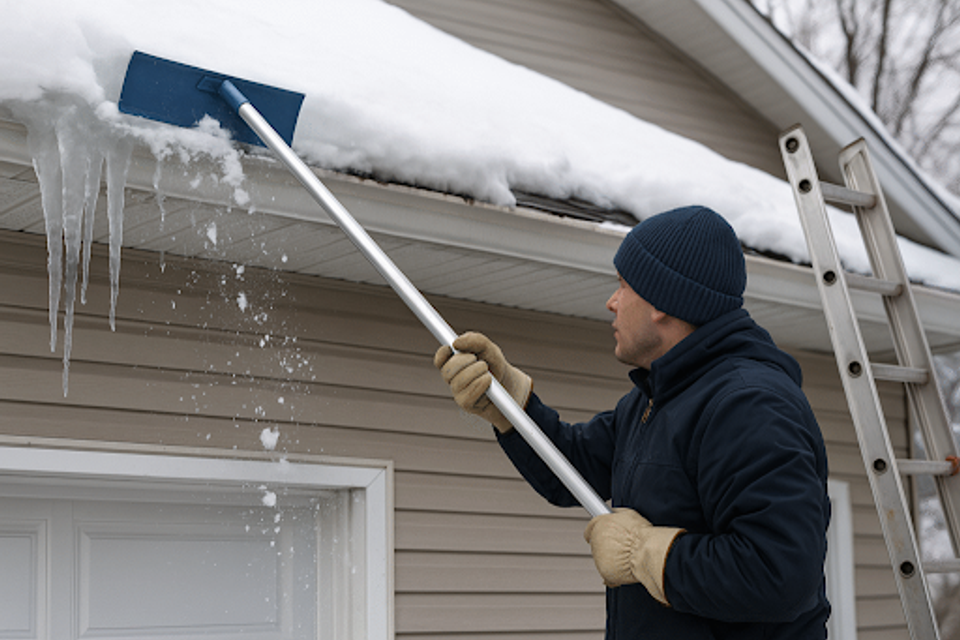
Option B: Roof Raking (Best for prevention, limited for thick ice)
 
A roof rake can be useful after snowfall to clear the lower roof edge, reducing the snow that becomes meltwater later.

Best practice: keep it ground-based—don’t climb onto icy roofs

 
Option C: Calcium Chloride / “Salt Socks” (Last resort, riskier)
 
Chemical de-icers can melt channels, but they come with trade-offs:
 
  • Potential shingle wear and discoloration
  • Landscaping harm from runoff
  • Corrosion risk for metal components
  • Doesn’t address the root cause (heat loss + attic conditions)
     
The Insurance Bureau of Canada emphasizes prevention steps like clearing eavestroughs, checking insulation/ventilation, and using roof rakes—pointing out that many ice dam situations are preventable with proper maintenance.

6) The Ultimate Defense: Prevention That Actually Works

 
If ice dams keep coming back, the goal is to break the cycle. Here’s the practical checklist that works in real Ottawa winters:
 
Step 1: Air seal the attic
 
Stop warm air leaks around:
  • attic hatches
  • plumbing stacks
  • bathroom fans
  • recessed lights
  • wiring penetrations
     
Step 2: Improve attic insulation
 
Insulation keeps heat where it belongs—inside your living space—so your roof stays colder and more consistent.
Step 3: Ensure balanced ventilation
Soffit + ridge venting (when properly designed) helps keep roof deck temperatures stable and reduces moisture buildup.
 
Step 4: Keep gutters/eavestroughs draining cleanly before winter
 
Clogged gutters + freeze-up = standing water that becomes ice. If your gutters are due for a clean or you want a professional maintenance solution:
Step 5: Consider gutter guards (especially if trees are part of your reality)
 
Guards help reduce debris buildup so water can flow properly during shoulder seasons and freeze-thaw periods:
Step 6: Upgrade weak eavestrough systems before they fail

 
If gutters are pulling away, leaking, or undersized, upgrading to a durable seamless system can improve drainage reliability:
New Eavestrough Installations & Replacements (Bronson Johnson)

7) The Future of Frost Protection (Where This Is Going)

 
Expect smarter and more efficient solutions over time:
  • self-regulating heat cables
  • better ventilation designs
  • improved steam technology
  • more resilient building-envelope standards

But the fundamentals won’t change: air sealing + insulation + ventilation + drainage are the long-term win.

Conclusion: Don’t Let Winter Win — Take Action

Ice dams aren’t just a roof issue—they’re a home system issue involving heat loss, attic conditions, snow load, and drainage.

If you already have a thick ice dam or active leak:
Your safest next step is professional steam removal.

 
If you want to reduce repeat problems:
Focus on prevention upgrades and drainage reliability—especially eavestrough condition and protection.

Ready to protect your home this winter?


Send Us a Message


Thanks for Choosing Bronson Johnson Seamless Eavestroughs Ottawa!

Your request for eavestrough services is in good hands.
An expert will review your details and contact you soon to discuss your request.