
Skip to content

Battling the Winter Beast: Steam vs. Rake vs. Salt


Your Ultimate Ice Dam Showdown (Ottawa Homeowners Edition)
 
Ice dams aren’t just an “ugly icicle problem.” In Ottawa’s freeze–thaw reality, they can quietly force water back under shingles, soak insulation, stain ceilings, and create the perfect conditions for mold. If you’re seeing thick ice along the eaves, heavy icicles, or water marks inside—this guide will help you choose the safest, most effective next step.

We’ll compare three common approaches: professional steam removal, roof raking, and chemical de-icers (salt/calcium chloride)—then finish with the prevention plan that actually reduces repeat ice-dam headaches.
I. The Silent Threat on Your Roof: What an Ice Dam Really Is


What is an ice dam?

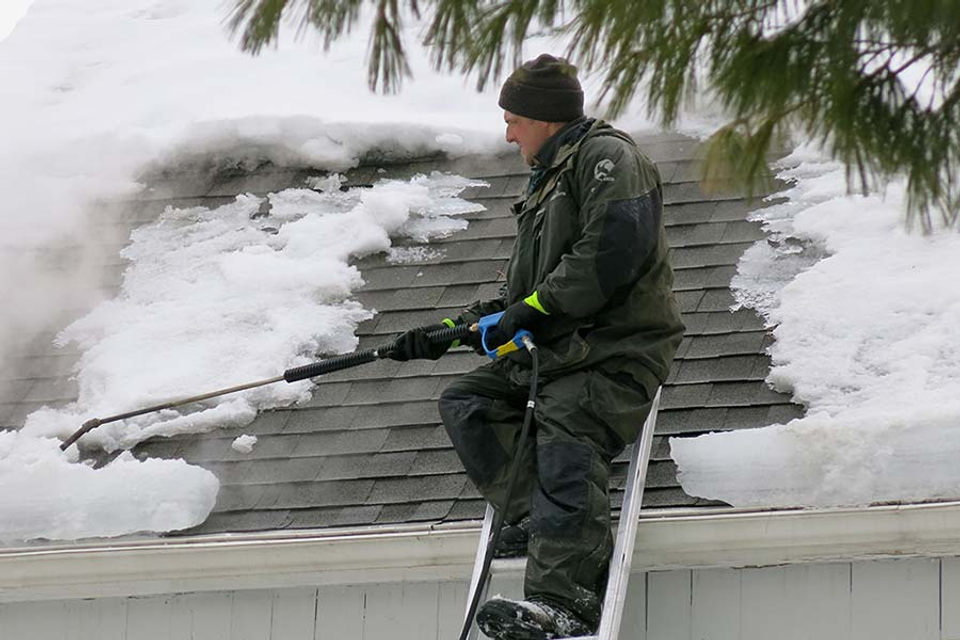
An ice dam forms when snow on the warmer upper roof melts, runs downward, and refreezes at the colder eaves, creating an icy barrier. Once that “dam” forms, meltwater can’t drain properly—so it backs up under shingles and into vulnerable roof areas. For building-science explanations of how and why this happens, see guidance from the University of Minnesota Extension and Building Science Corporation.


Why ice dams cause expensive damage


Ice dams can lead to:
 
  • Roof leaks and interior staining
  • Mold and indoor air-quality problems
  • Wet insulation (reduced R-value + higher heating costs)
  • Rotting roof decking, fascia, and trim
  • Gutter and eavestrough stress from ice load

And because Ottawa winters routinely bring sustained cold and snow conditions, ice dams aren’t rare “one-off events”—they’re a predictable risk without the right prevention. (You can reference Ottawa climate normals from Environment and Climate Change Canada for the “why Ottawa” angle.)


II. Ice Dam Removal: From “Old School” to Smarter Solutions

Early “primitive” methods (still common—but risky)

 
  • Chisel & hammer: Fast damage—shingles, flashing, and roof surfaces don’t win this fight.
  • Rock salt (sodium chloride): Corrosive to metal, hard on landscaping, and often a temporary band-aid.

     
The “smarter” wave

 
  • Calcium chloride: Less corrosive than rock salt, melts in colder temps, but still carries roof/landscape risk if overused or applied poorly.
  • Roof rakes: Useful for prevention (especially after heavy snow) but limited once thick ice has formed.
  • Heat cables: Can help maintain drainage pathways, but they’re not always a cure for active, severe dams.

     
Why steam became the pro standard for active ice dams

 
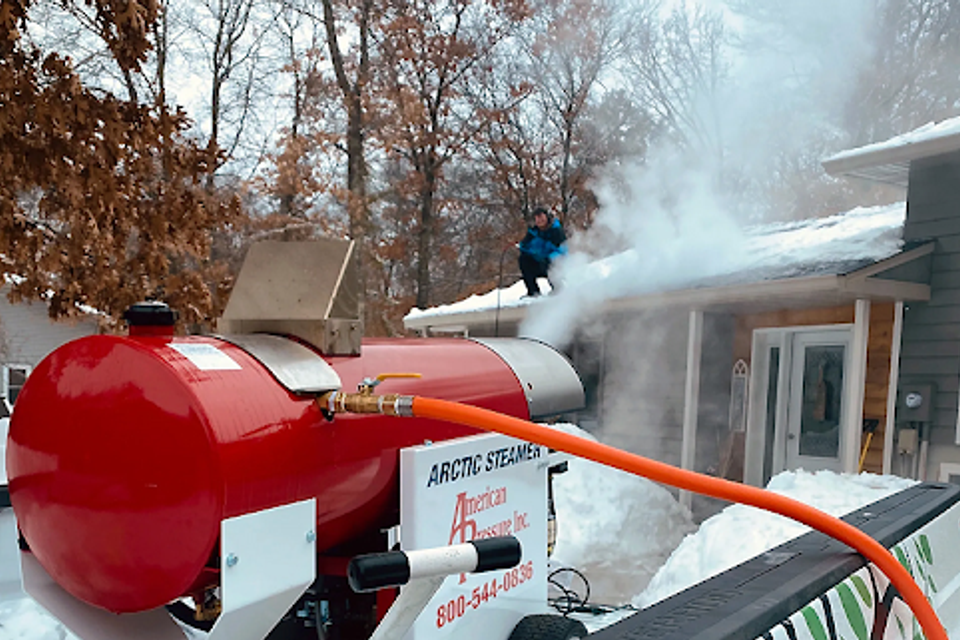
Professional steam removal is designed to melt ice safely at the bond layer without the destructive force of chopping.
At Bronson Johnson Seamless Eavestroughs, steam removal is done with purpose-built equipment like the Arctic Steamer, which uses high-temperature, low-pressure steam—no toxic chemicals, no roof-chopping.


Bj2001

III. Head-to-Head: Steam vs. Rake vs. Salt (What Works, What Risks More Damage)

A) Steam Ice Dam Removal: The Professional’s Champion
 
How it works:
Steam uses controlled heat to melt channels through ice so water can drain again—without prying up shingles or blasting materials with pressure.

Why homeowners choose steam (especially in Ottawa):


  • Safest for shingles and roof components (no chisels, no hammering)
  • Highly effective on thick, stubborn ice dams
  • Fast leak relief when water is actively backing up
  • Eco-friendly (no chemical runoff)

     
Trade-offs:
  • Requires professional equipment + training
  • Higher upfront cost than DIY (but often cheaper than repairs + mold remediation)

     
Important safety note (and what to avoid):

Not all “steam” services are the same. True steam removal uses steam equipment—not high-pressure hot water that can lift shingles or force water where you don’t want it. If someone only offers a phone quote, can’t explain the equipment/process, or can’t prove insurance—treat that as a red flag.

✅ If you need immediate help, start here:


B) Roof Raking: The Proactive DIY Prevention Tool
 
How it works:
A roof rake removes snow from the lower roof edge (near the eaves) to reduce meltwater and refreezing.

Best use case:
Roof raking is prevention, not a cure for a fully formed ice dam.

Pros:
  • Helpful for preventing dams after storms
  • Reduces roof load
  • Low-cost tool compared to repairs
     
Cons & risks:
  • Limited reach on steep or tall roofs
  • Can damage shingles/eavestroughs if used aggressively
  • Safety risk if homeowners try to climb or overreach
     
Pro perspective:
If you use a roof rake, keep it ground-based and consistent after heavy snowfalls. If the ice is already thick and bonded, shift to a professional solution.

 
C) Calcium Chloride / “Salt” Fixes: The Quick (but Risky) Chemical Route
 
How it works:
De-icers lower the freezing point and can melt channels—sometimes quickly.

Pros:
  • Accessible and fast
  • Can work in colder temperatures (calcium chloride performs better than rock salt)
     
But here’s the downside:
  • Can damage shingles (granule loss, discoloration, accelerated wear)
  • Can harm plants/soil and corrode metal components over time
  • Doesn’t solve the root cause (heat loss + roof temperature differences)
     
Bottom line:
Chemicals are a “get-by” solution, not a long-term plan—especially when your goal is protecting your roof system, fascia, and eavestroughs.
012002

IV. The Ultimate Defense: Prevention Is the Real Win

Ice dams are usually a symptom: heat escaping into the attic/roof area + poor ventilation + snow on the roof. Building guidance from CMHC strongly connects attic moisture/venting issues with ice dam formation.
 
Top prevention moves (highest impact first)
  

If you want a deeper seasonal schedule specifically for Ottawa, this is a good internal companion read:
Ottawa Gutter Cleaning: Schedule & Safety (Bronson Johnson)
 

V. Looking Ahead: The Future of Ice Dam “Warfare”

 
We’re likely to see more:
 
  • Smarter, self-regulating heat cables
  • Better ventilation/roof sensor integrations
  • More portable, efficient steam systems
  • Lower-impact de-icing materials
     
But even with new tech, the fundamentals won’t change: control heat loss + maintain drainage + prevent the cycle.

VI. Conclusion: What Ottawa Homeowners Should Do Next

 
Quick recap
 
  • Steam removal: Best for existing ice dams—safe and effective when performed by trained pros.
  • Roof raking: Best for prevention after snowfalls.
  • Calcium chloride/salt: Can work short-term, but carries roof + landscaping risk and doesn’t address the cause.
     
Best recommendation
 
If you have active leaks or a heavy ice dam already formed, skip the DIY damage risk and book professional steam removal.

✅ Book service / request a quote here:

Send Us a Message


Thanks for Choosing Bronson Johnson Seamless Eavestroughs Ottawa!

Your request for eavestrough services is in good hands.
An expert will review your details and contact you soon to discuss your request.